
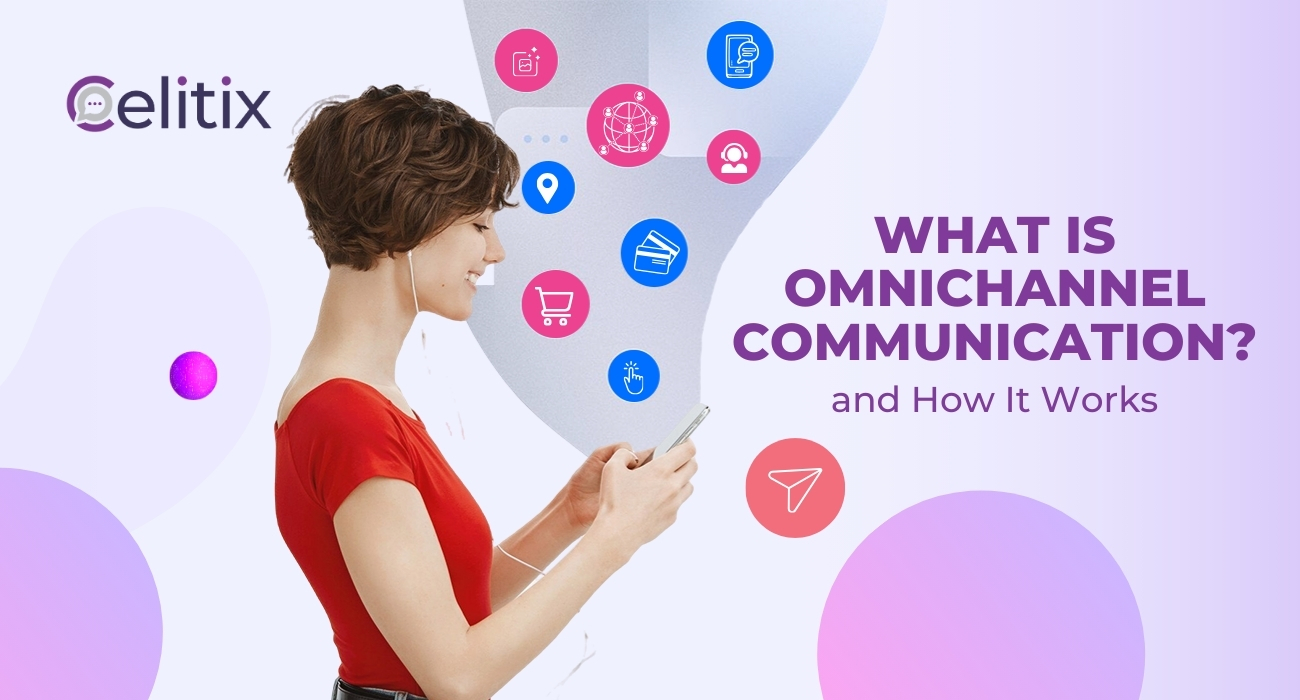
The modern customer doesn’t stick to one platform. They might discover your brand through an Instagram ad, read reviews on Google, visit your website, and then reach out on WhatsApp before buying in-store. Managing these diverse touchpoints separately creates chaos—unless you bring them together through omni channel communication.
Omni-channel communication is an integrated strategy that connects every customer interaction—online and offline—into a single, unified experience. It ensures that whether someone connects via WhatsApp, SMS, email, website chat, or at your retail outlet, the experience feels smooth, consistent, and personal.
Unlike isolated systems, omni channel service focuses on delivering the same tone, values, and information everywhere. It’s built around the customer, not the brand hierarchy.
Platforms like Celitix empower companies to achieve this by unifying messaging through WhatsApp Business API, SMS, voice, and email—all from one dashboard. With real-time synchronization, businesses can manage marketing, support, and automation under one roof.
In short, omni-channel communication bridges technology, marketing, and human connection. It helps brands speak with one voice—no matter where the customer listens.
Omni-Channel vs Multi-Channel Communication
Many businesses assume they already have an omni-channel system simply because they use multiple platforms. But there’s a big difference between multi-channel and omni-channel communication.
Multi-channel communication means being present on many platforms—say, Instagram, email, and SMS—but managing them separately. Each channel has its own audience, message style, and data, creating a fragmented experience. The brand talks to customers, not with them.
Omni-channel communication, on the other hand, integrates all those channels into a single ecosystem. Here, the customer—not the channel—is at the center. The moment they engage on one platform, the brand recognizes them across all others.
For example, a user adds a product to their cart on a website but doesn’t check out. The next day, they get a WhatsApp reminder, followed by a discount email. When they finally purchase, the CRM automatically updates their profile. That’s seamless omni channel marketing in action.
In essence:
- Multi-channel = isolated efforts with limited personalization
- Omni-channel = synchronized experiences built around the customer
This shift from “many channels” to “connected experiences” is what sets leading brands apart.
Key Elements of an Omnichannel Communication Platform
A true omni-channel communication platform isn’t just a collection of tools—it’s a framework that integrates people, processes, and technology. Here are its key components:
1. Unified Channels
All communication modes—SMS, WhatsApp, email, calls, chatbots—operate from a central cloud dashboard. It saves time, improves coordination, and keeps records consistent.
2. Centralized Customer Data
Every interaction, preference, and response gets stored in one database. This helps brands personalize communication, track purchase history, and predict future behavior.
3. Automation & AI
Smart automation ensures instant responses, lead nurturing, and 24×7 support. AI chatbots, powered by Celitix, handle FAQs, order tracking, and reminders without human intervention.
4. Consistent Brand Voice
From ad campaigns to service chats, every channel mirrors the same brand personality. Consistency strengthens recognition and builds trust.
5. Analytics & Optimization
Advanced analytics reveal what works—response times, conversion rates, and engagement levels. Businesses can tweak campaigns quickly and deliver better results.
6. Seamless Integrations
Omnichannel platforms integrate easily with CRMs, ERPs, and marketing tools, ensuring real-time sync between teams and departments.
Together, these elements empower companies to provide unified experiences across sales, marketing, and support—an essential foundation for omnichannel customer service and long-term loyalty.
How Does Omnichannel Communication Work?
Omnichannel communication connects every stage of the customer journey—awareness, engagement, purchase, and retention—through one connected system. Let’s break down how it operates:
Stage 1: Awareness
Potential customers first encounter your brand through ads, SEO, or social media. An omni channel marketing strategy ensures your brand voice stays uniform across all these platforms. Whether they see a Facebook ad or an SMS campaign, the tone and message remain consistent.
Stage 2: Engagement
Once interest is sparked, engagement begins. Customers may explore your website, follow on social media, or chat via WhatsApp. The omni channel service framework captures every action. Celitix’s platform then syncs that information so your next message is always context-aware.
For instance, if a user browses “smart watches,” the next email or WhatsApp message highlights related offers—no repetition, no disconnect.
Stage 3: Purchase
When customers decide to buy, omni channel communication integrates with payment gateways and CRMs to make checkout effortless. Whether they’re shopping online or in-store, their information stays synchronized.
Retailers call this omnichannel retail—where online browsing and offline shopping merge. A customer can add an item to the cart on an app, try it in-store, and pay later online. Every step feels connected.
Stage 4: Retention & Support
Post-purchase communication is crucial. Through omnichannel customer service, businesses can send delivery updates, collect feedback, or share loyalty offers. Customers receive consistent care on their preferred platform—be it email, SMS, or WhatsApp.
Stage 5: Analysis & Improvement
Each interaction generates valuable data. Celitix’s integrated dashboard helps brands monitor engagement and refine strategies. Over time, businesses can personalize outreach, automate responses, and optimize performance for higher ROI.
This continuous cycle—connect, communicate, convert, and retain—is what keeps customers coming back.
Why Omnichannel Communication?
Adopting an omni channel communication approach isn’t just a trend—it’s a necessity for modern businesses. Here’s why it matters:
1. Customer-First Experience
Customers today expect flexibility. They want to start a conversation on one channel and continue on another without repeating themselves. Omnichannel systems make this possible by keeping every context intact.
2. Consistent Brand Presence
Every message, campaign, or support chat reflects your brand identity. This strengthens credibility and keeps your business top of mind across touchpoints.
3. Improved Efficiency & Collaboration
Teams don’t have to juggle separate platforms. A unified dashboard allows marketing, sales, and support to collaborate seamlessly—saving time and avoiding missed opportunities.
4. Higher Engagement & Conversions
Personalized omni channel marketing delivers content that resonates. When customers feel understood, they engage more, spend more, and stay longer.
5. Data-Driven Insights
Omnichannel systems collect and analyze data from every interaction, providing clarity about customer behavior, best-performing channels, and conversion paths.
6. Competitive Advantage
With competition rising across industries, brands that use omnichannel customer service and marketing outperform those relying on traditional multi-channel methods.
7. Scalability and Automation
Platforms like Celitix grow with your business. Whether you’re a small retailer or an enterprise brand, automation ensures you can handle higher message volumes without sacrificing quality.
In simple terms, omni channel communication doesn’t just enhance marketing—it transforms how businesses build relationships.
Implementing Omnichannel Communication for Your Business
Building a true omni-channel system requires a mix of technology, strategy, and customer understanding. Here’s how you can begin:
Step 1: Map the Customer Journey
Identify how and where your customers interact with your brand—from awareness to purchase. Visualize these stages to find integration gaps.
Step 2: Unify Your Data
Merge customer information from various sources—CRM, website analytics, social media—into a single system. Unified data powers personalization.
Step 3: Integrate Your Channels
Connect WhatsApp, SMS, email, and call management into one dashboard. Platforms like Celitix make this process quick and scalable.
Step 4: Automate Where Possible
Use automation for reminders, promotions, or support FAQs. It ensures responsiveness even outside business hours.
Step 5: Maintain Consistency
Use the same tone, visual identity, and message structure across every platform. Customers should instantly recognize your brand voice.
Step 6: Monitor and Optimize
Collect analytics to see what’s working. A/B-test your campaigns, measure open rates, and adjust content for better engagement.
Step 7: Focus on Experience
Always design communication from the customer’s perspective. Convenience, clarity, and empathy are the keys to loyalty.
When executed correctly, an omni channel communication system builds not just sales—but relationships that last.
The Role of Celitix in Omnichannel Transformation
Celitix is more than just a messaging tool—it’s a full-scale omni-channel communication and marketing platform designed to help businesses automate, integrate, and scale their customer experiences.
Here’s how Celitix makes a difference:
- Unified Dashboard: Manage WhatsApp, SMS, and voice messages from one place.
- Automation Tools: Send instant notifications, OTPs, and personalized updates.
- CRM Integration: Sync conversations directly into your sales and support pipelines.
- Analytics & Reporting: Track delivery, engagement, and response metrics in real time.
- Scalability: Handle millions of messages without downtime or data loss.
Whether you’re running omnichannel retail, healthcare, education, or finance operations, Celitix simplifies communication while keeping it customer-centric.
Conclusion
The future of marketing lies in connection—authentic, consistent, and seamless. Customers no longer care which department they’re talking to; they just want answers that feel personal and immediate.
That’s why omni-channel communication is no longer optional—it’s essential. By aligning marketing, service, and technology, businesses can deliver cohesive experiences across every touchpoint.
With Celitix, achieving this is simpler than ever. From omni-channel marketing automation to omnichannel customer service, Celitix helps businesses communicate smarter, faster, and more meaningfully.
Embrace the future of connected communication—unify your channels, personalize your messages, and watch your customer relationships flourish.
Because when your brand speaks in one voice everywhere, customers listen.